Top 7 Risk Management Tools Every Prop Trader Needs
Risk management is the backbone of successful trading, especially for traders working with prop firms like The5ers. While many traders focus primarily on finding profitable strategies or perfect entries, the truth is that consistent performance comes from how well you manage your risk.
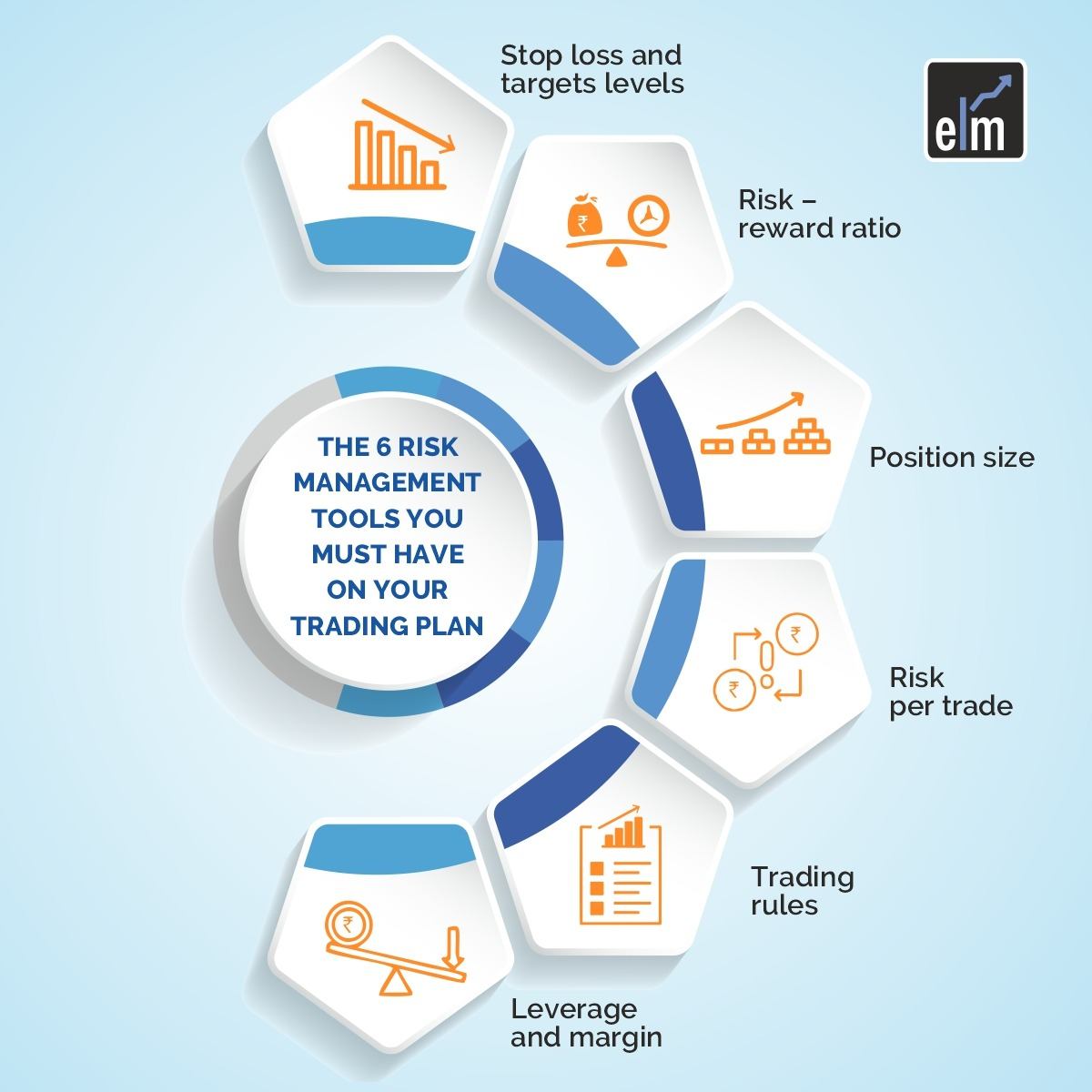
Prop firms often have strict rules regarding maximum drawdowns, daily loss limits, and risk-to-reward ratios. Exceeding these limits—even with a single trade—can jeopardize your funded account or evaluation phase.
To help you safeguard your capital and maintain consistency, here’s a detailed guide to the top seven risk management tools every prop trader needs to thrive in today’s competitive markets.
1. Position Size Calculators
One of the most fundamental tools for risk management is the position size calculator. It helps you determine exactly how many lots or units to trade based on your account size, risk tolerance, and stop-loss distance.
Why It’s Important:
-
Prevents over-leveraging, a common mistake that can wipe out accounts quickly.
-
Ensures that each trade risks only a small, predefined percentage of your account (often 1–2%).
-
Keeps your risk consistent across all trades, which is crucial to comply with prop firm rules.
How to Use It:
-
Input your account balance.
-
Set your risk percentage per trade (e.g., 1%).
-
Enter your stop-loss distance in pips.
-
The calculator outputs the correct lot size for your trade.
Pro Tip: Many web-based calculators and TradingView scripts automate this process, reducing calculation errors and saving time.
2. Stop-Loss and Take-Profit Orders
Properly placed stop-loss (SL) and take-profit (TP) levels are essential to protect your account. Without them, emotions often take over, leading to impulsive exits or letting losses grow too large.
Benefits:
-
Limits losses to a predefined amount, preventing catastrophic drawdowns.
-
Removes the emotional burden of deciding when to exit a losing trade.
-
Locks in profits at strategic levels before the market reverses.
Best Practices:
-
Place SL levels based on market structure or ATR-based volatility zones, not just arbitrary numbers.
-
Adjust TP levels to maintain a healthy risk-to-reward ratio (ideally at least 1:2).
-
Avoid moving SL further away in the hope the trade will “come back.”
3. Volatility Indicators (ATR, Bollinger Bands)
Understanding market volatility is critical for setting realistic stops and targets. Tools like the Average True Range (ATR) and Bollinger Bands help you adapt your strategy to current market conditions.
How They Help:
-
ATR: Shows the average price movement over a set period, guiding you to set SLs that aren’t too tight or too wide.
-
Bollinger Bands: Indicate periods of high and low volatility, helping you avoid entering during choppy, unpredictable conditions.
By aligning your SL and TP with volatility, you avoid premature stop-outs and capitalize on realistic price swings.
4. Risk-to-Reward Ratio Calculator
A Risk-to-Reward (R:R) calculator ensures that your trades have the potential to earn enough profit to justify the risk taken.
For prop traders who must hit profit targets while staying within strict risk limits, understanding R:R is non-negotiable.
Why It Matters:
-
Encourages trading only setups with favorable payoffs (e.g., risking $100 to make $200 or more).
-
Helps identify unbalanced trades that might not be worth taking.
-
Improves long-term profitability even if you win less than 50% of your trades.
Example:
If your SL is 50 pips and your TP is 150 pips, your R:R is 1:3. Even with a 40% win rate, this ratio can keep you profitable over time.
5. Trade Journals
A trade journal is a must-have tool for tracking performance, analyzing mistakes, and staying disciplined. Whether you use a spreadsheet, an app, or a built-in journal in your trading platform, recording your trades reveals patterns that can be improved.
Key Data to Record:
-
Entry and exit prices
-
Position size
-
SL and TP levels
-
R:R ratio
-
Reason for taking the trade
-
Emotions felt during the trade
Benefits:
-
Identifies recurring mistakes (e.g., overtrading or revenge trading).
-
Tracks your adherence to your trading plan.
-
Helps refine strategies based on data, not guesswork.
A well-maintained journal separates professional prop traders from amateurs.
6. Daily Drawdown Tracker
Prop firms like The5ers often impose daily loss limits to protect their capital. A daily drawdown tracker—either a manual log or a tool integrated into your platform—keeps you from exceeding these limits.
Features to Look For:
-
Real-time updates of open trade P/L.
-
Alerts when nearing your daily loss threshold.
-
Graphical representation of your daily equity curve.
Advantages:
-
Prevents breaches that can disqualify you from evaluations or funded accounts.
-
Encourages stopping for the day when limits are reached—protecting both your account and your mindset.
-
Reinforces discipline by keeping risk aligned with firm rules.
7. Economic Calendar with Alert Features
Fundamental events like central bank announcements, NFP reports, or interest rate decisions can drastically impact forex volatility. Having an economic calendar with alerts helps you stay ahead of these market-moving events.
Benefits:
-
Allows you to avoid trading during high-impact events if your strategy is sensitive to volatility.
-
Helps plan entries around times of liquidity and potential trend changes.
-
Prevents unexpected drawdowns caused by unforeseen spikes in price action.
Reliable tools include built-in calendars in trading platforms or reputable online sources like ForexFactory and Investing.com.
Bonus: Mental & Emotional Management Apps
While not a traditional trading tool, mental discipline apps—such as meditation apps or focus timers—can significantly reduce emotional trading errors. Prop trading is as much about psychology as it is about numbers.
Final Thoughts
Risk management is the foundation of success for every prop trader. Without it, even the best strategies can lead to blown accounts or failed evaluations.
To recap, the top seven tools every prop trader needs are:
-
Position Size Calculators
-
Stop-Loss & Take-Profit Orders
-
Volatility Indicators (ATR, Bollinger Bands)
-
Risk-to-Reward Ratio Calculators
-
Trade Journals
-
Daily Drawdown Trackers
-
Economic Calendars with Alerts
Mastering these tools not only protects your capital but also builds the discipline necessary to thrive under prop firm conditions. Traders who use these tools consistently will have a significant edge, enabling them to stay within rules, reduce emotional mistakes, and scale up their trading careers with firms like The5ers.


Comments
Post a Comment